
I am a huge fan of culture—probably why I decided to move continents to explore a new one. I am not someone who has visited every museum or read every historical piece written about Canada, but I have absorbed a few things.
Let me start by explaining what I mean when I say I like to explore culture. I describe culture as the way people live in any given time—this encompasses their habits, food, clothes, traditions and values, the work they do, their houses, their entertainment… everything.
From a personal point of view, I feel closer to people when I learn about their culture. From a marketer’s point of view, I find it even more interesting because, in my opinion, culture is the best product designer. It’s the canvas where problems originate and solutions are created. The need exists before the market. In fact, that is the crux of how I approach anything as a marketer—need first, then a solution.
Studying in the number one marketing program in the country, I am fortunate to have professors who enrich my learning every day. One of our professors relentlessly insists that we should never go to market with a solution looking for a problem, and I can elaborate on exactly why.
Let’s examine the anatomy of a problem—why does anything become a problem? It simply happens because people get frustrated about something that keeps getting in the way of living their lives. A problem is never just a problem. It is shaped by where you are, when you are, and who you are surrounded by. It’s a problem in a place, in a climate, in a community.
The solutions to these problems often come from people themselves. That’s simply the human instinct to improve quality of life. These solutions also look like culture—they are ingenious, not forced, and readily adopted.
Applying this lens, I found some interesting products and practices that originated in Canadian culture and were adopted across the globe because of their merit in improving quality of life.
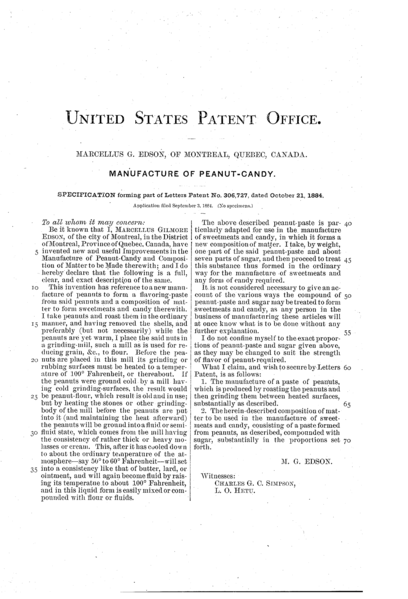
Peanut Butter: It was developed in 1884 by Marcellus Gilmore Edson, a Montreal-based chemist and pharmacist, primarily as a nutritious, high-protein food source that was easy to swallow for his elderly patients with chewing difficulties. Despite peanut butter’s Canadian origins, it was improved and popularized in American culture.
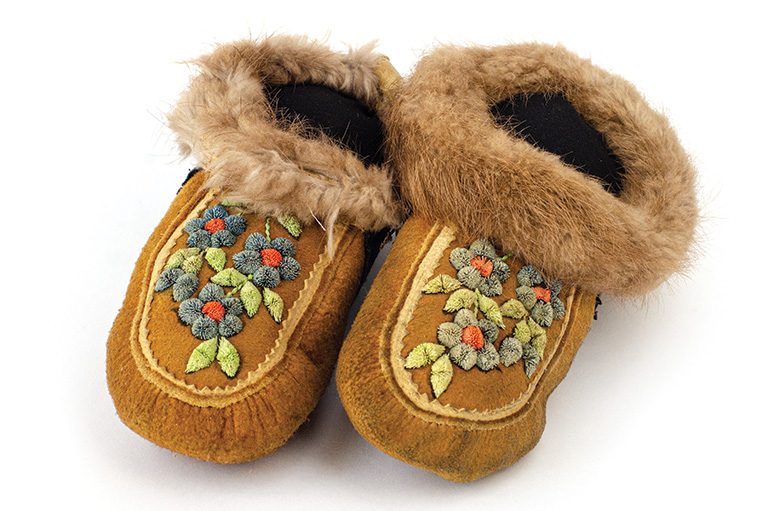
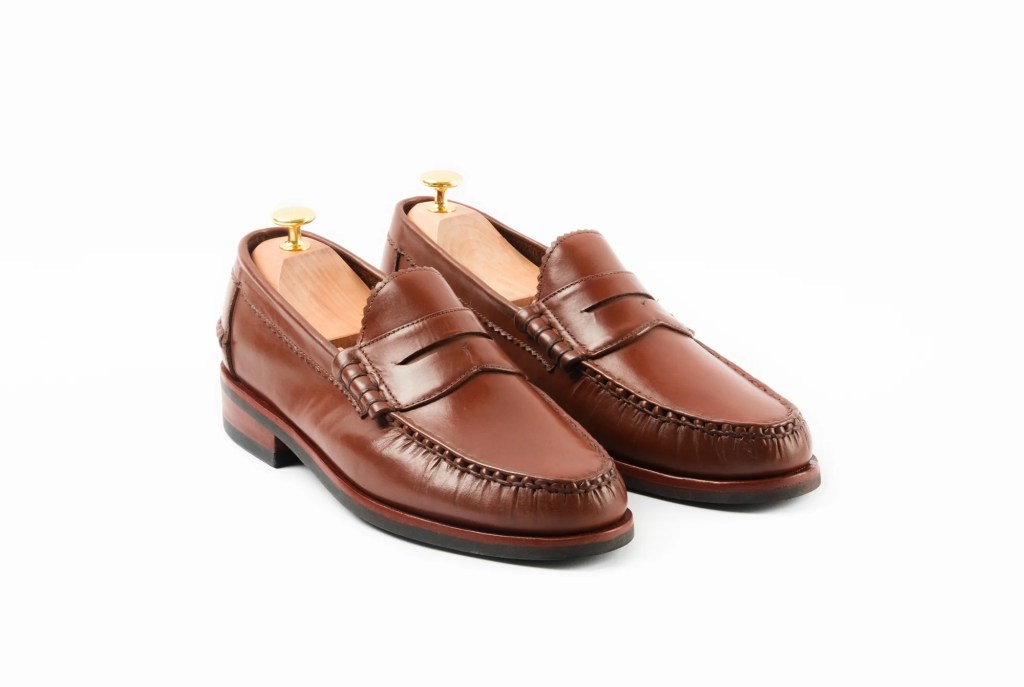
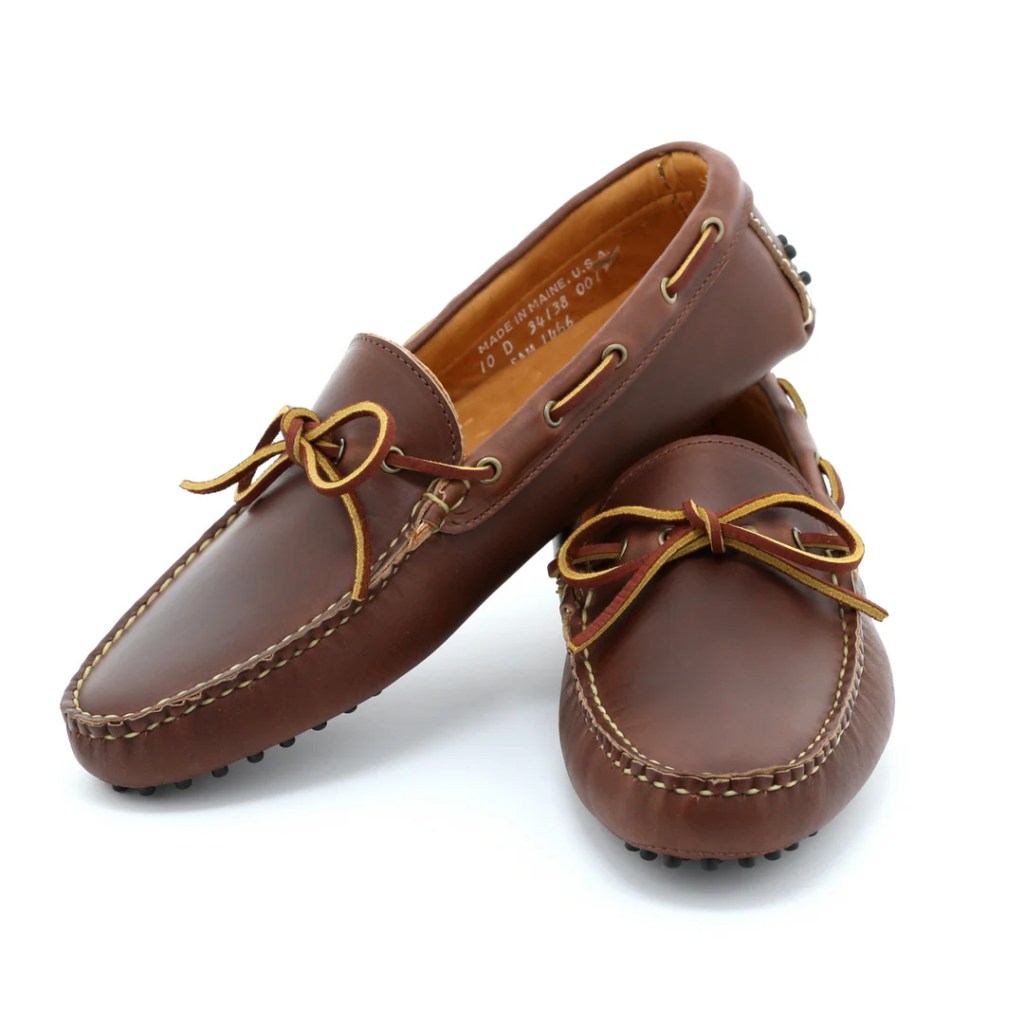
Moccasins: Moccasins are traditional footwear made from animal hide by First Nations peoples across Canada—such as the Cree, Huron, Ojibwe, Iroquois, and many others—each with distinct designs shaped by environment and need. Subarctic versions had soft soles for snowshoes, while Plains styles used hard soles for rocky terrain. They weren’t designed by a fashion house, as some might think; they were born from a deeply practical cultural need. The design was so effective that voyageurs, fur traders, and colonizers immediately adopted it because of its durability and functionality. Today we know their influence in footwear like penny loafers, driving mocs, and moc-toe boots—an entire category rooted in Indigenous Canadian design.
Petroleum Jelly — the original “slugging”: According to the Aboriginal Innovations Handbook developed by Lakehead University, First Nations peoples used olefin hydrocarbons and methane gelatinous ointments to aid wound healing and to protect and moisturize human or animal skin. They were essentially making their own petroleum-jelly-like concoction centuries before Robert Chesebrough patented the refining process in 1872 and branded it Vaseline.
Bearberry (Arbutin): Arbutin—one of the hottest ingredients in the global hyperpigmentation and skin-brightening market—comes from bearberry, a plant native to Arctic and subarctic regions in North America. The Squamish, Cree, and other First Nations across Canada have used it in oils and balms to heal skin for centuries.

My favourite one – IMAX: Three small-town Ontario teenagers bonded over storytelling—Graeme Ferguson, Roman Kroitor, and Robert Kerr. Ferguson and Kroitor had both interned at the National Film Board of Canada, and Kroitor later proposed a multi-screen experimental film for Expo 67 in Montreal, where experimental projections were being showcased. Canadian filmmakers were facing a fundamental challenge: how do you convey the emotional impact of landscapes so vast they defy conventional representation? Canada’s geography demanded innovation that could make audiences feel the true scale of its wilderness. Think about that—the reason IMAX exists is because Canada is so vast and visually overwhelming that traditional cinema simply couldn’t capture it. The country’s geography created the need. The first permanent IMAX film, North of Superior, was about the Canadian landscape. It stunned audiences with breathtaking visuals filling an enormous, curved screen with unmatched clarity.

These are just five examples that stood out to me. Honestly, I could list a few more obvious ones like parkas, maple syrup, snowmobiles, and blanket coats, and then some non-obvious ones like Hawaiian pizza, basketball, and the walkie-talkie.
The point is this: it is important to pay attention to culture—whether we are scanning for market opportunities, predicting consumer behaviour, or simply trying to help the people around us. We need to identify real gaps and even solutions that already exist in habits, routines, places, and communities.
It’s an important skill to have—and as a marketer, it’s the one I spend most of my time honing.
 THE SUBTEXT
Leave a comment